Crypto Q&A 12.04.2026 | BTC & ETH Technical Reading: Trend, Support-Resistance, Risk | Educational
📌 Crypto Market Summary BTC & ETH
| Instrument | Price (USD) |
|---|---|
| BTC/USD | 71531.27 |
| ETH/USD | 2211.76 |
Explore the latest BTC and ETH technical outlooks, key support and resistance levels, potential scenarios, and essential risk management strategies for April.
📦 Critical Levels BTC & ETH
Note: Levels are "near band" support/resistance calculated from the current price (not signals).
| Instrument | Support 1 | Support 2 | Resistance 1 | Resistance 2 |
|---|---|---|---|---|
| BTC/USD | 70816 | 70101 | 72247 | 72962 |
| ETH/USD | 2185 | 2159 | 2238 | 2265 |
📅 Economic Calendar and Key Drivers
April 12, 2026, presents a landscape marked by cautious equilibrium in risk appetite across global markets. The prevailing theme today centers on a delicate balance between expansionary momentum and consolidation pressures in the crypto domain, especially for flagship instruments like Bitcoin and Ethereum. Macro influences including central bank communications and geopolitical developments have perpetuated a mixed sentiment backdrop, where traders remain watchful but not overtly reactive. This restrained posture is mirrored in the subdued volatility observed in major cryptocurrencies, suggesting that participants are digesting recent moves and awaiting clarifying signals before committing decisively. The broader macroeconomic calendar reveals limited headline-grabbing releases, which indirectly feeds into the current environment’s low volatility. Without fresh catalysts from traditional financial markets, crypto price action gravitates towards structural technical factors rather than fundamental shocks. This scenario encourages a more attentive focus on price patterns as risk zones become critical to identify profit opportunities or preempt adverse moves. As such, understanding how these dynamics interplay is essential for navigating through what may seem like sideways market behavior but could mask underlying directional intentions.Price Structure and Technical Nuances
Bitcoin’s current quote near $71,531 situates it within a complex zone characterized by overlapping equal high and equal low levels — these act as pivotal risk thresholds that can either trigger breakouts or reinforce consolidation phases. The coexistence of expansion attempts intertwined with consolidation signals points to a transitional technical setup rather than clear trending dominance. Such price architecture implies that any directional moves should be validated through volume confirmation or momentum surges before expecting sustainable follow-through. Ethereum trading at approximately $2,211 echoes similar structural characteristics where repeated tests of resistance and support zones suggest hesitation among market participants to commit fully either way. The absence of decisive swings has entrenched these levels as battlegrounds for control between bulls and bears alike. Given this patterning, technical discipline demands attention to breakout retests or potential false moves rather than premature position entries based on minor oscillations alone. Traders need to recognize these nuances as part of an evolving framework that may later resolve into clearer trend definitions once sufficient conviction builds.The Volatility Landscape: Deception in Calm Waters
Periods of muted volatility often mislead traders into underestimating latent risks hidden beneath apparent calmness. Current readings indicate that both Bitcoin and Ethereum are experiencing subdued price fluctuations compared to historical norms after recent significant rallies. While this quietude might suggest stability, it can conversely imply an accumulation phase where sharp directional bursts await release due to compressed energy within the market structure. Risk management becomes paramount when low volatility lulls traders into complacency; tight ranges can quickly dissolve when new information or sudden shifts occur, amplifying price movements unexpectedly. As liquidity clusters around key equal high/low zones intensify competition among buyers and sellers, even minor order imbalances can cascade into outsized reactions. Recognizing this paradox helps prevent overtrading during indecisive periods while positioning for opportunistic entries when breakout clarity emerges amid increased volatility resumption.Common Pitfalls: Navigating Transitional Market Phases
A recurrent mistake during phases oscillating between expansion and consolidation is chasing trends prematurely without sufficient confirmation from volume or breakout sustainability metrics. Traders driven by fear of missing out may initiate positions impulsively near established highs or lows only to face swift reversals as the market fails to maintain directional commitment. This reactive behavior typically results in whipsaw losses during periods dominated by range-bound activity. Another error lies in neglecting the significance of equal high/equal low zones as critical inflection points; ignoring these risk areas undermines precision entry techniques tailored for transitional environments. Failing to integrate broader market context such as global sentiment shifts or macroeconomic cues further compounds vulnerability by divorcing trade decisions from their underlying drivers. Successful navigation requires patience alongside stringent adherence to predefined stop-loss protocols calibrated around identified key levels.Defining Today’s Market Dynamics
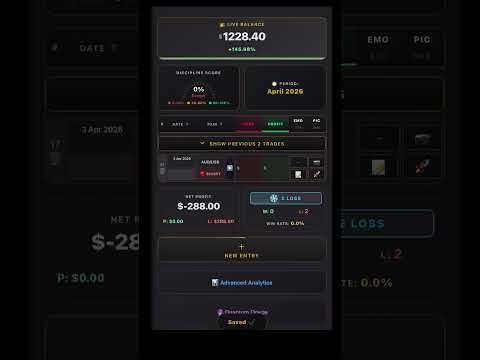
The best traders track their emotions. Use the advanced analytics in FXmans PRO to find your most profitable market sessions and eliminate toxic habits.
Start Journaling →Psychological Discipline Amid Uncertain Conditions
Maintaining composure during these transitional phases represents one of the most valuable trader skills; psychological discipline ensures avoidance of impulsive actions triggered by incomplete information or herd dynamics prevalent in crowded speculative arenas like crypto markets today. Recognizing when abstaining from trading constitutes a strategic choice protects portfolios from undue exposure amid unclear setups. Accepting uncertainty as inherent rather than threatening allows traders to focus on incremental signals confirming sustained momentum before committing capital aggressively. Cultivating patience reduces vulnerability to noise-induced errors common when periods of low volatility lull confidence prematurely into active engagement without robust evidence supporting trend continuation.Guidance Notes for Less Experienced Participants
For those still building proficiency navigating cryptos’ complex price structures under fluctuating risk appetites, emphasis should rest on mastering level recognition combined with strict adherence to risk controls—particularly surrounding equal high/low bands serving as key decision boundaries today’s markets highlight prominently. Avoid entering positions solely based on perceived momentum without verifying supportive volume profiles or confirming breakouts beyond transient testing phases common at present. Novices must resist pressure generated by hype cycles occasionally coinciding with subdued volatility intervals which deceptively appear benign yet conceal abrupt reversals capable of eroding capital quickly if managed improperly. Prioritizing observation over action until clearer directional cues manifest will often yield better long-term outcomes compared with impulsive early entries driven by fear or greed impulses intensified under volatile conditions masked superficially by calm ranges.This analysis is not investment advice.
📚 Previous Crypto Analyses
- Crypto Analysis 11.04.2026 | BTC & ETH: Technical Logic, Support-Resistance & Risk | Educational
- BTC & ETH Guide & Current Analysis 10.04.2026 | How to Read Crypto Technically? | Guide
- Daily Crypto Strategy Framework 09.04.2026 | Bitcoin & Ethereum Probability Plan | Educational
📌 FXmans Links
🌍 FXmans Main Blog
📡 Telegram Channel
📁 Forex Articles Archive
🟢 WhatsApp Channel





Comments